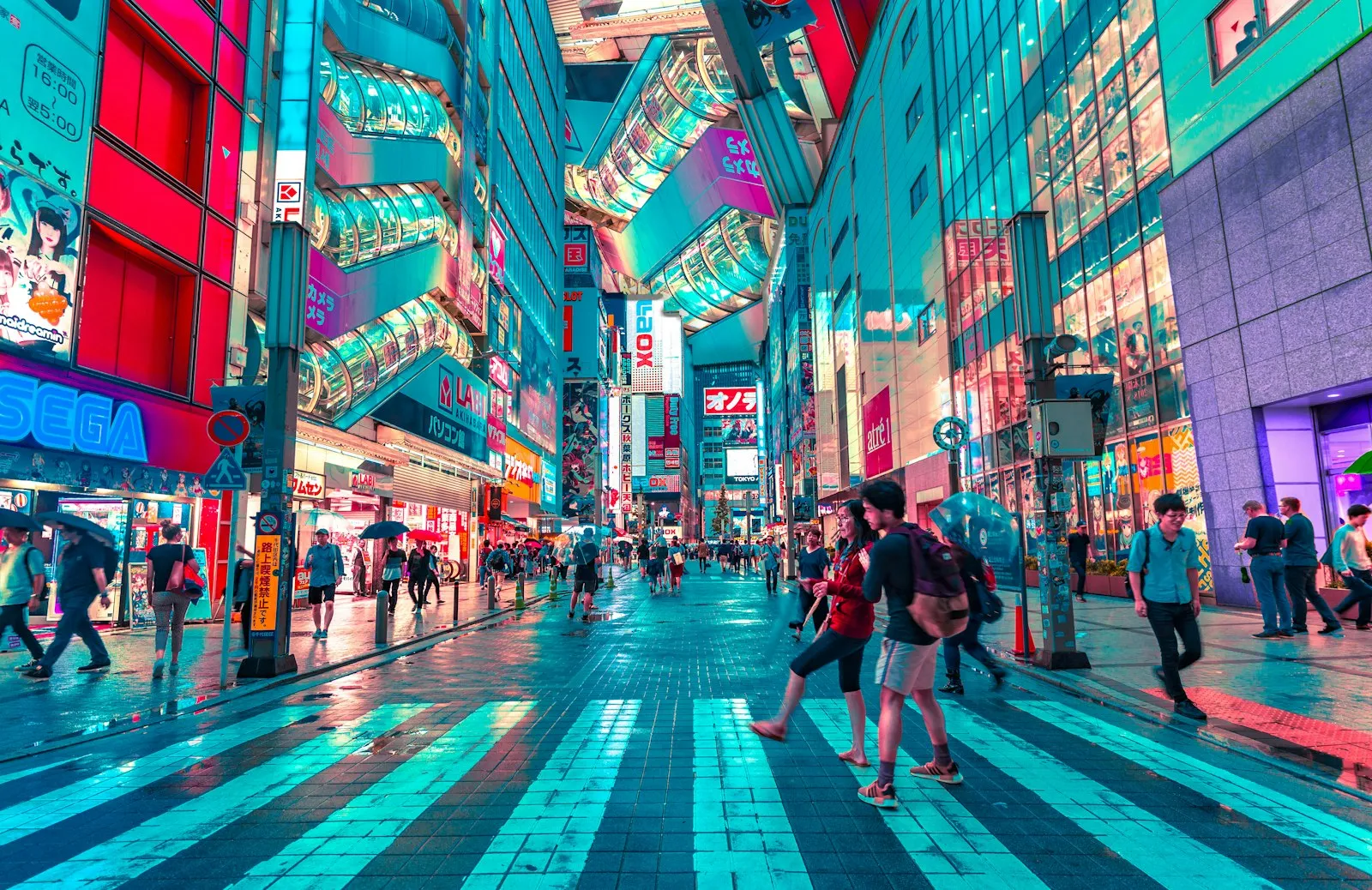
Choosing the right area to live is the single most important decision when moving to Tokyo. Each ward has its own character, price range, and ideal resident type.
1. NEIGHBORHOOD TIERS BY PRICE
CENTRAL — Most Expensive (Tier 1)
Minato-ku (港区):
- Areas: Roppongi, Azabu-Juban, Hiroo, Akasaka.
- Character: Diplomats, finance professionals, international executives.
- Studio: ¥130,000-200,000/month.
- Pros: International schools, foreign supermarkets, global-standard restaurants and bars.
- Cons: Expensive, risk of living in an "expat bubble."
Shibuya-ku (渋谷区):
- Areas: Shibuya, Harajuku, Daikanyama, Nakameguro.
- Character: Fashion-forward, young, creative industry.
- Studio: ¥120,000-180,000/month.
- Pros: Fashion culture, beautiful cafes, vibrant positive energy.
- Cons: Crowded, noisy.
MID-TIER — Best Balance (Tier 2)
Shinjuku-ku (新宿区):
- Areas: Shinjuku, Kabukicho, Okubo.
- Studio: ¥90,000-130,000/month.
- Pros: Tokyo's #1 transport hub (Shinjuku Station connects every major line).
- Cons: Noisy, crowded; the red-light district nearby requires awareness at night.
- Tip: Okubo (Koreatown) has many Asian residents, diverse food options, and is cheaper than central Shinjuku.
Toshima-ku — Ikebukuro (豊島区):
- Studio: ¥75,000-110,000/month.
- Pros: Very popular with foreigners, good schools, multilingual services.
- Pros 2: Near Chinatown/Koreatown, diverse and affordable food options.
- Best for: Students and newcomers to Japan.
Koto-ku / Sumida-ku:
- Studio: ¥80,000-110,000/month.
- Modern area: Many newly built condos, near Skytree and DisneySea.
- Pros: Modern buildings, clean, quieter than the city center.
SUBURBS — Most Affordable (Tier 3)
Adachi-ku (足立区):
- Studio: ¥55,000-80,000/month.
- Save 30-40% vs. central wards.
- Commute: ~35-45 min to central Tokyo.
- Best for: Families, those prioritizing savings.
Katsushika-ku, Edogawa-ku:
- Studio: ¥50,000-75,000/month.
- Very quiet, plenty of parks, cleaner air.
- Commute: 30-45 min to Shinjuku/Shibuya.
2. GUIDE BY RESIDENT TYPE
Students / First-Time Arrivals:
- Ikebukuro (Toshima) — Foreigner-friendly, reasonable prices, excellent transport.
- Shinjuku (Okubo area) — Many Asian residents, cheaper, gateway to Shinjuku.
IT / Tech Workers:
- Shibuya / Daikanyama — Close to startup hubs and creative agencies.
- Mitaka / Kichijoji — Calm, creative atmosphere, many software companies nearby.
Families with Children:
- Kichijoji (Musashino) — Inokashira Park, good schools, family-friendly.
- Setagaya-ku — Quiet, more space, international schools.
- Adachi / Nishi-Tokyo — Larger living spaces, affordable prices.
Nature Lovers / Runners:
- Nakameguro / Meguro — Canal walks, parks, excellent café scene.
- Kichijoji / Musashino — Inokashira Park. Outstanding for daily runs.
3. THE TRAIN STATION RULE
In Tokyo, walking distance to the train station matters far more than distance to the city center. The general community pricing formula:
- < 5 min walk to station: Premium — 15-25% higher rent.
- 5-10 min: The ideal sweet spot.
- 10-15 min: Acceptable.
- > 15 min: Significant discount — typically requires a bicycle or bus.
4. NEIGHBORHOOD SELECTION CHECKLIST
- Which train line is nearest? (Prioritize JR Yamanote Line or Subway Marunouchi).
- Supermarket within walking distance? (OK, Life, Seiyu, Hanamasa...).
- Medical clinic with English-speaking staff nearby?
- 24-hour convenience store (conbini) close by?
- Safety: Generally very safe in Japan, but use common sense in Kabukicho and Ueno late at night.
- Noise: Near a major road, expressway, or train tracks?
CONCLUSION
Recommended approach for newcomers:
- First 1-3 months: Share house in Ikebukuro or Shinjuku to explore and get your bearings.
- Once settled: Move to the neighborhood that best fits your lifestyle and workplace.
Never sign a long-term lease before you've had at least a few weeks to experience an area firsthand!
Key Takeaways
💡
Always update the latest information from official sources.
🤝
Join the community for support when needed.
#Tokyo Rent #Ikebukuro #Shibuya #Shinjuku #Tokyo Neighborhoods